The people who invented the engine
From a French gas engine in 1860 to a rotary engine designed by a man with no driving licence.
Before 1860
The French inventors Nicéphore and Claude Niépce built an early internal-combustion engine, the Pyréolophore, in 1807. Encyclopaedia Britannica: Étienne Lenoir
Étienne Lenoir
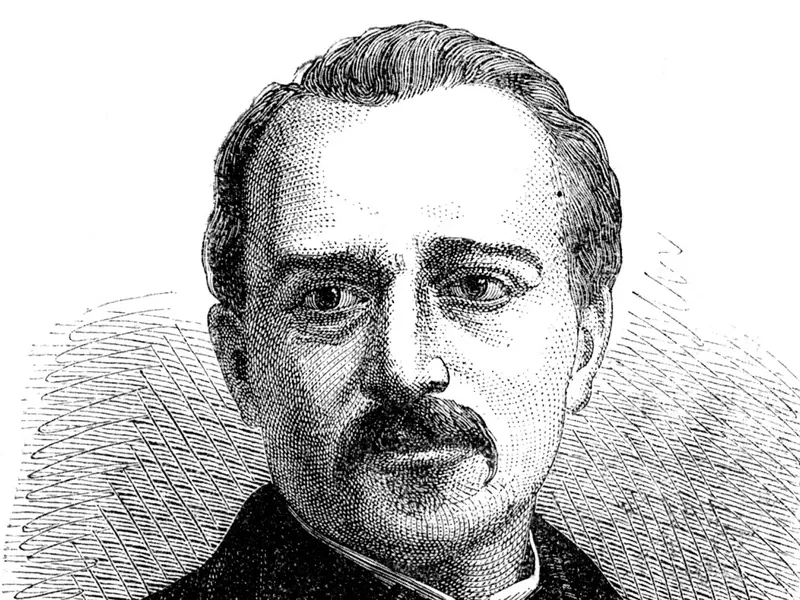
Étienne Lenoir, a Belgian inventor, devised the first commercially successful internal-combustion engine, patented on 24 January 1860. Encyclopaedia Britannica: Étienne Lenoir
Lenoir’s engine was a converted double-acting steam engine that burnt coal gas and air, lit by a spark from a battery. Encyclopaedia Britannica: Étienne Lenoir Lenoir’s engine did not compress its fuel and turned only about 4 percent of its fuel into work. Encyclopaedia Britannica: Étienne Lenoir
More than 500 Lenoir engines were at work across Europe in the 1860s, pumping water from mines and printing. Encyclopaedia Britannica: Étienne Lenoir
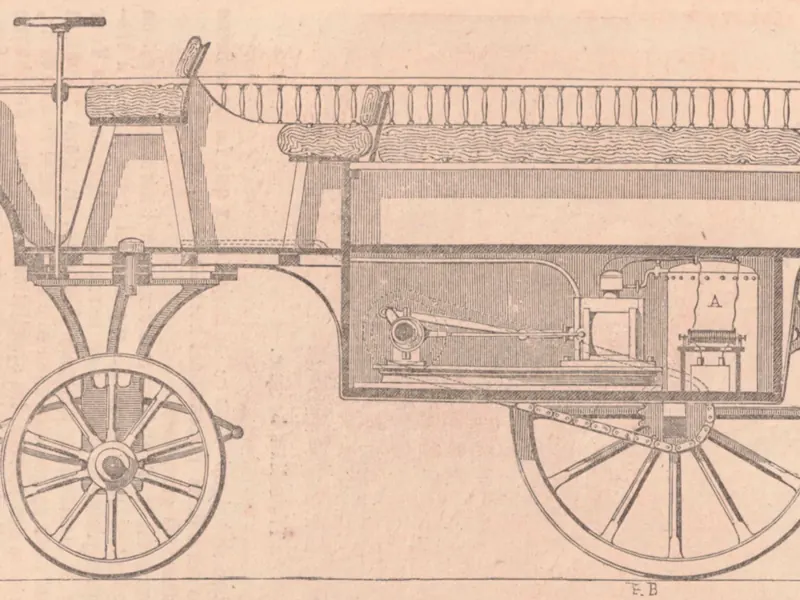
In 1863 Lenoir drove his three-wheeled Hippomobile 7 miles (11 km) in about three hours. Encyclopaedia Britannica: Étienne Lenoir Lenoir patented nearly 80 inventions, from engines to leather tanning. Encyclopaedia Britannica: Étienne Lenoir
Otto and the four-stroke
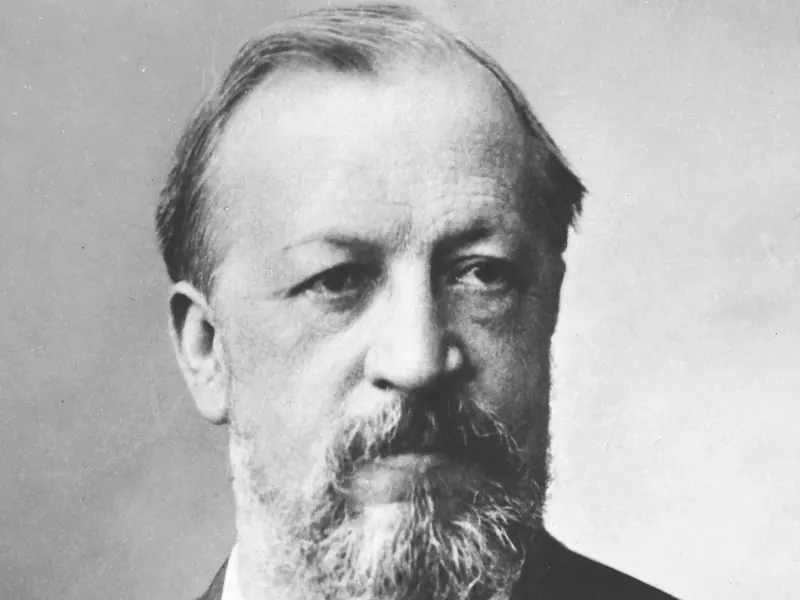
The four-stroke cycle was patented in 1862 by the French engineer Alphonse Beau de Rochas. Encyclopaedia Britannica: Nikolaus Otto
In 1876 Nikolaus Otto built an engine using the four-stroke cycle; because he was the first to build one, it is called the Otto cycle. Encyclopaedia Britannica: Nikolaus Otto
Otto and Eugen Langen’s improved engine won a gold medal at the Paris Exposition of 1867. Encyclopaedia Britannica: Nikolaus Otto
More than 30,000 Otto engines were built in the next 10 years, but Otto’s patent was revoked in 1886 when Beau de Rochas’s earlier patent came to light. Encyclopaedia Britannica: Nikolaus Otto Otto’s four-stroke engine was the first practical alternative to the steam engine as a power source. Encyclopaedia Britannica: Nikolaus Otto
Dugald Clerk and the two-stroke
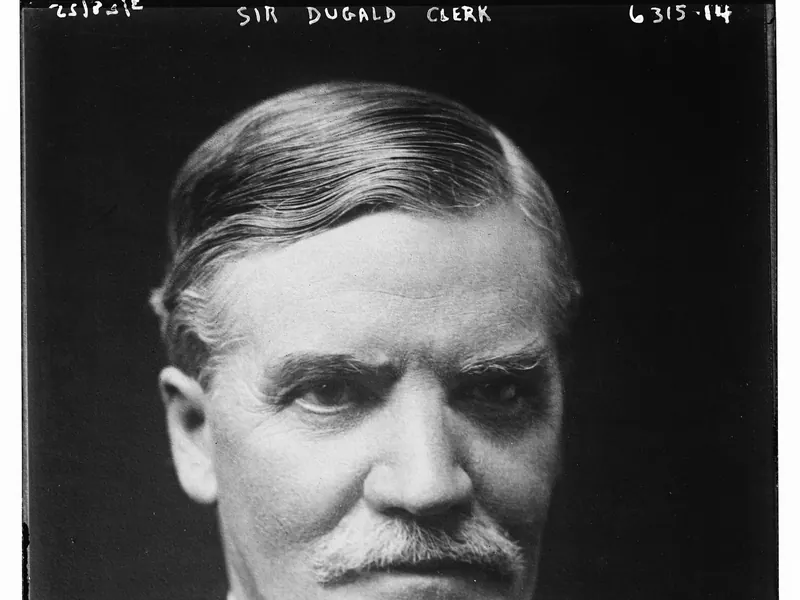
The British engineer Dugald Clerk, born in Glasgow, patented his two-stroke engine in 1881; it fires once every two strokes instead of once every four. Encyclopaedia Britannica: Sir Dugald Clerk Clerk’s two-stroke cycle was widely used on light motorcycles and other small machines. Encyclopaedia Britannica: Sir Dugald Clerk
Daimler, Maybach and Benz
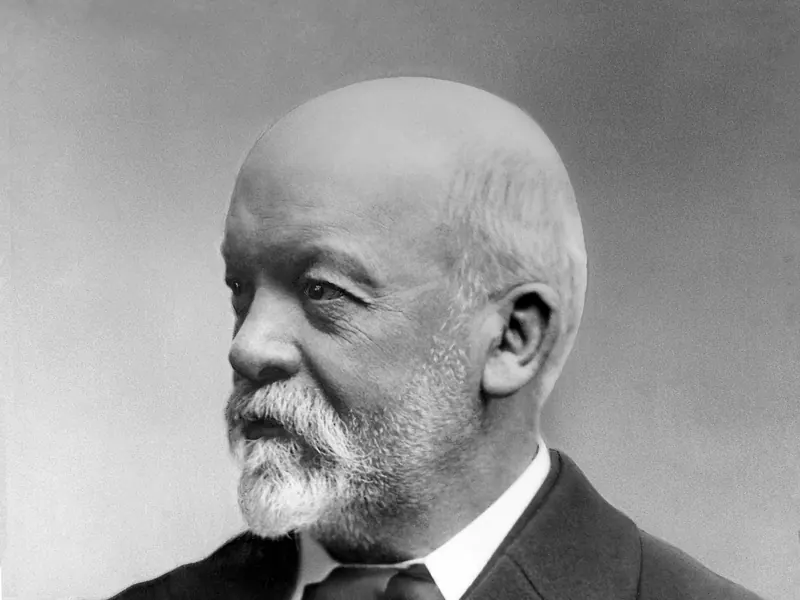
In 1872 Gottlieb Daimler became technical director at Nikolaus Otto’s firm; in 1882 he and Wilhelm Maybach left to start their own engine shop. Encyclopaedia Britannica: Gottlieb Daimler Daimler and Maybach patented one of the first successful high-speed internal-combustion engines in 1885, and a carburettor that allowed petrol to be used as fuel. Encyclopaedia Britannica: Gottlieb Daimler
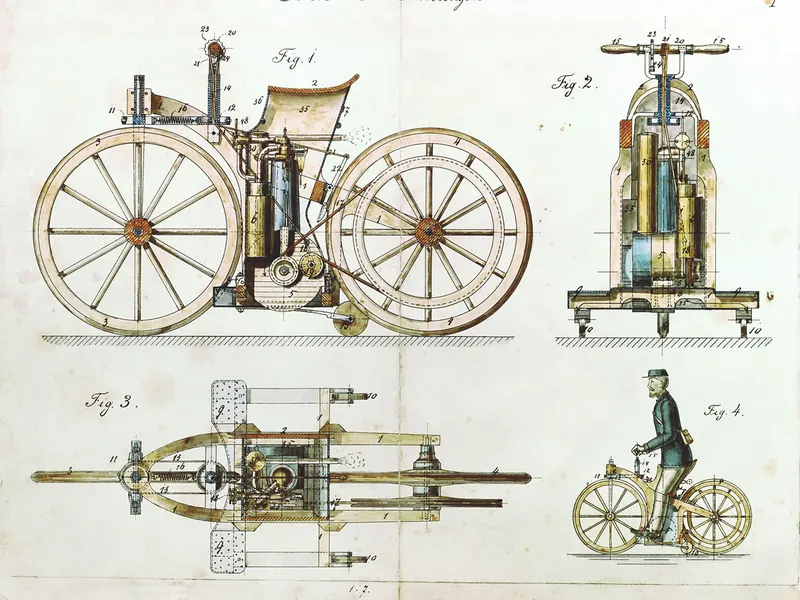
Daimler and Maybach fitted their engines to a bicycle (1885), a carriage (1886) and a boat (1887). Encyclopaedia Britannica: Gottlieb Daimler
Wilhelm Maybach’s carburettor design was widely used from 1893. Encyclopaedia Britannica: Wilhelm Maybach Maybach was chief designer of the first Mercedes cars (1900–01), for which he improved a 24-horsepower engine. Encyclopaedia Britannica: Wilhelm Maybach
In 1909 Maybach and his son Carl set up a company to build aircraft engines, including engines for Zeppelin airships. Encyclopaedia Britannica: Wilhelm Maybach
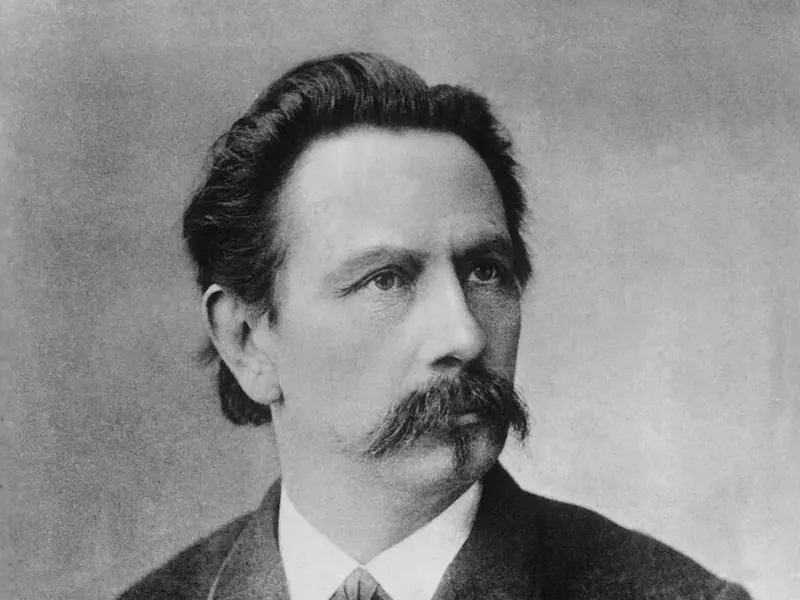
Karl Benz built the world’s first practical car powered by an internal-combustion engine; his three-wheeled Motorwagen first ran early in 1885. Encyclopaedia Britannica: Karl Benz Benz’s company, founded in Mannheim in 1883, first made stationary internal-combustion engines. Encyclopaedia Britannica: Karl Benz
Rudolf Diesel
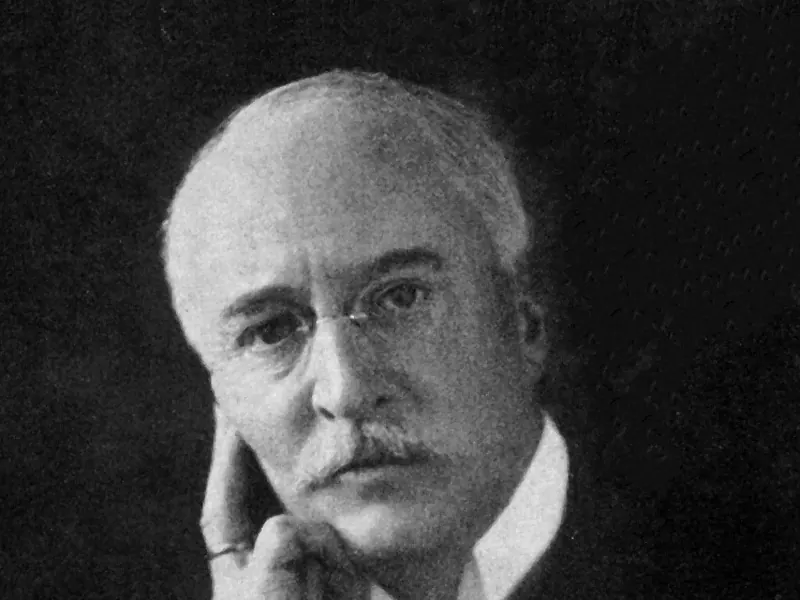
Rudolf Diesel, a German engineer born in Paris in 1858, invented the engine that bears his name. Encyclopaedia Britannica: Rudolf Diesel Diesel wanted an engine more efficient than the Otto engine, and saw that squeezing air hard enough would make the spark unnecessary. Encyclopaedia Britannica: Diesel engine
Diesel obtained a German patent in 1892 and in 1893 published a description of his engine. Encyclopaedia Britannica: Rudolf Diesel In 1897 Diesel demonstrated a 25-horsepower, four-stroke, single-cylinder engine. Encyclopaedia Britannica: Rudolf Diesel
Diesel’s engine was an immediate commercial success, thanks to its high efficiency and simple design. Encyclopaedia Britannica: Rudolf Diesel
Charles Kettering and the self-starter
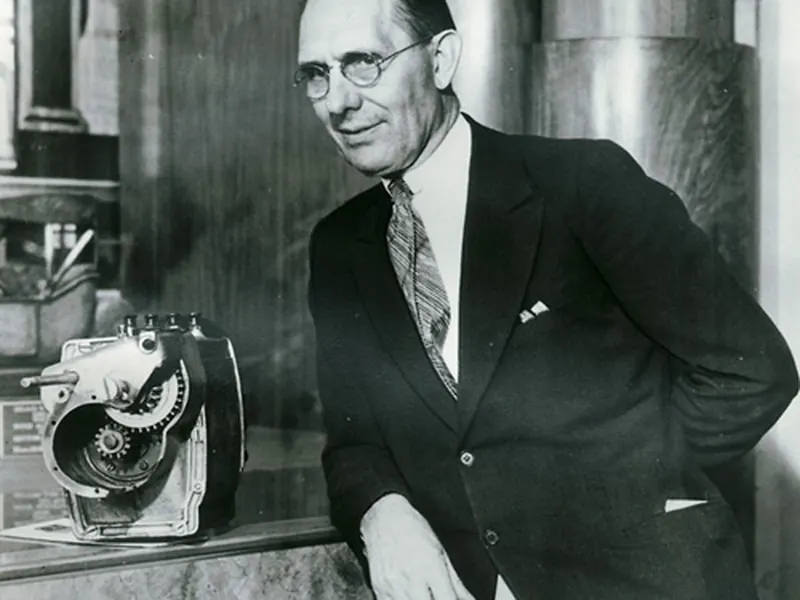
Charles Kettering developed the first electric starter, introduced on Cadillacs in 1912. Encyclopaedia Britannica: Charles F. Kettering Kettering founded Delco with Edward A. Deeds to design electrical equipment for cars, including better lighting and ignition. Encyclopaedia Britannica: Charles F. Kettering
Felix Wankel
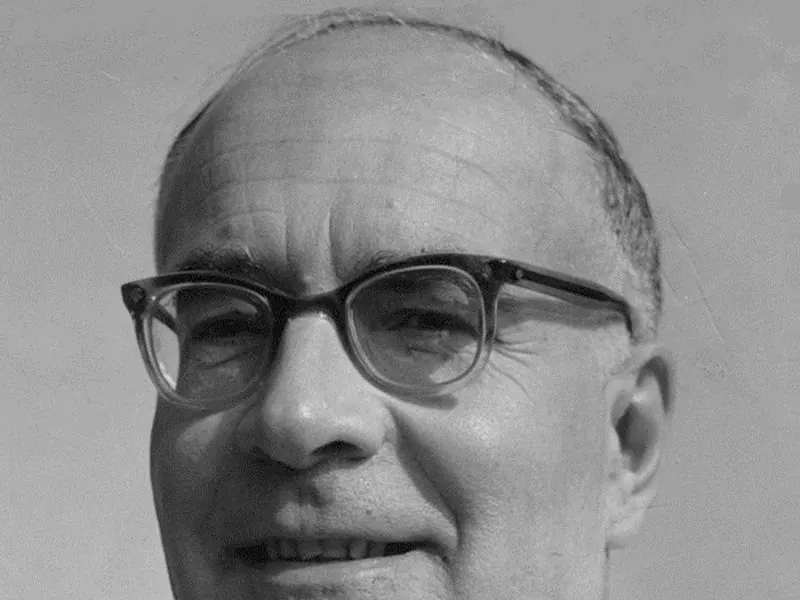
Felix Wankel, a German engineer, invented the Wankel rotary engine; he never earned an engineering degree or held a driving licence. Encyclopaedia Britannica: Felix Wankel Wankel completed his first rotary engine design for NSU in 1954; prototypes were tested in 1957 and 1958. Encyclopaedia Britannica: Felix Wankel
In 1961 the Japanese company Mazda agreed with NSU to develop the Wankel engine; rotary Mazdas reached America in 1971. Encyclopaedia Britannica: Felix Wankel
Next: other engines →